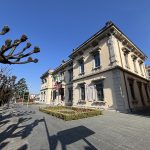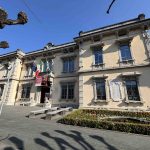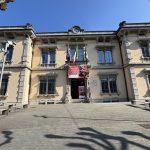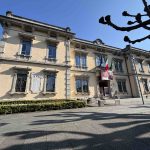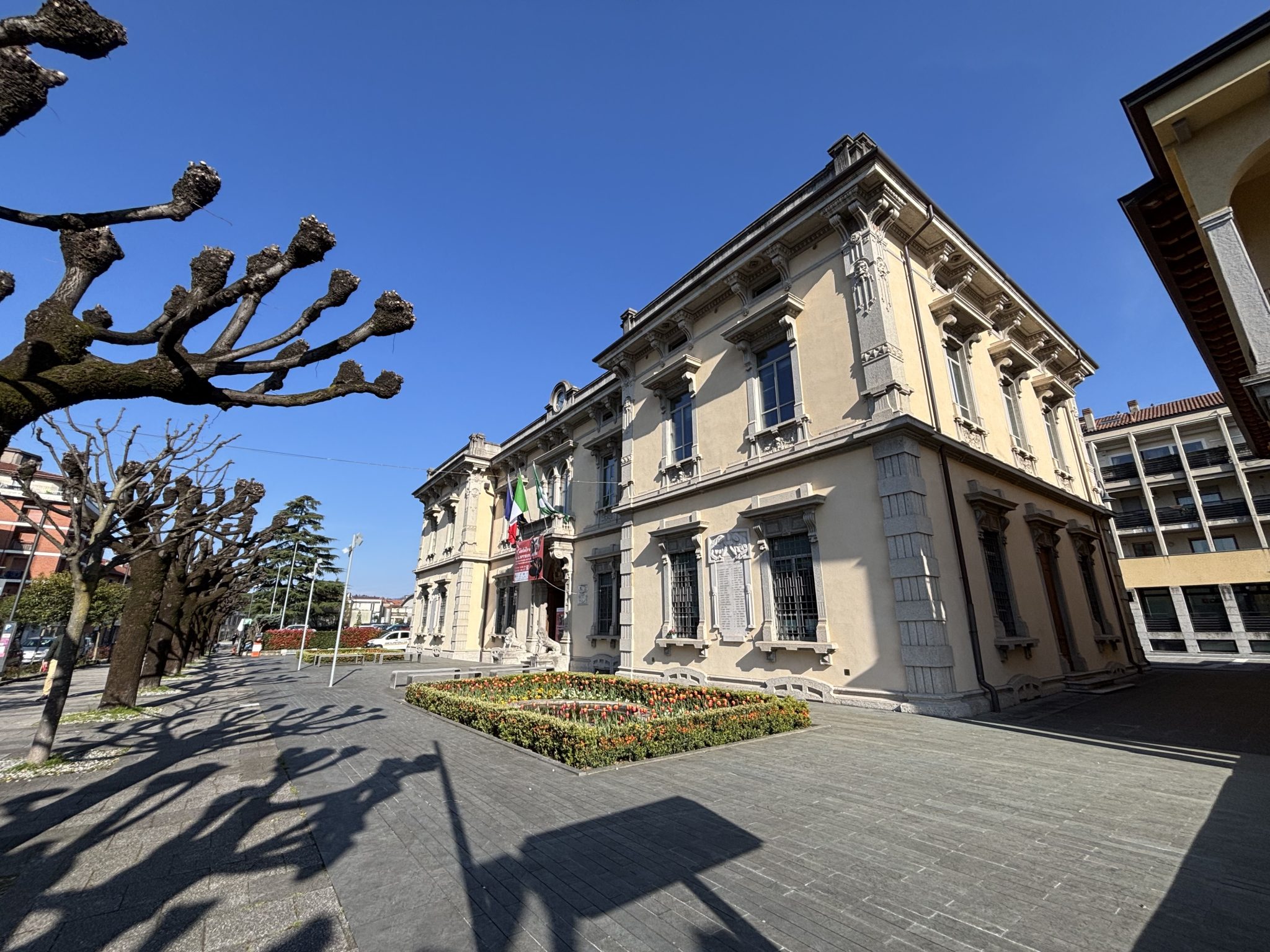
Built at the behest of Vincenzo Comi (Trescore 1849 – 1930), a patriot and Garibaldian, the building, which bears his name, has been the seat of the local council since 1909.
His father, Dr Giovanni Comi (Caprino Bergamasco 1813 – Trescore Balneario 1895), was Garibaldi’s doctor during his stay in Trescore, and his field doctor during the Third War of Independence. Vincenzo’s brother, Cesare, was a member of Garibaldi’s ‘The Thousand’. Vincenzo, too, donned the red shirt in 1866 at the age of seventeen and was awarded the Military Valour Medal after the Battle of Bezzecca. Once the war was over, he became a chemical engineer and travelled to Sardinia to manage a mine. A few years later, having returned to Trescore, he set up a farm and, following in the footsteps of his father and brother, devoted himself to the political and social life of his community. It was around 1904 that the need arose for a town hall capable of meeting the requirements of the growing population. At that time, the Town Hall was housed in just a few rooms within the former Capuchin monastery, which had been dissolved as early as the Napoleonic era and partially converted into a hospital, then a prison, subsequently the Carabinieri headquarters, and finally into dwellings. The council’s finances must not have been in a particularly healthy state even then, given that Vincenzo Comi, having designed the building himself – despite not coming from a particularly wealthy family – personally contributed towards part of the costs. On 23 July 1907, Vincenzo Comi was elected mayor of Trescore, and it is to him that we owe the construction not only of the town hall, but also of the nursery school, the primary schools – demolished in 1977 – and the new road to Novale, now known as Via Lorenzo Lotto.
In 1926, he was appointed podestà of Trescore, a post he held for only a short time. The ground floor of the new Town Hall, which was too large for the needs of the time, was let to a number of public bodies and commercial enterprises in 1909.
Text by Luisa Gaiardelli and Carlo Pinessi